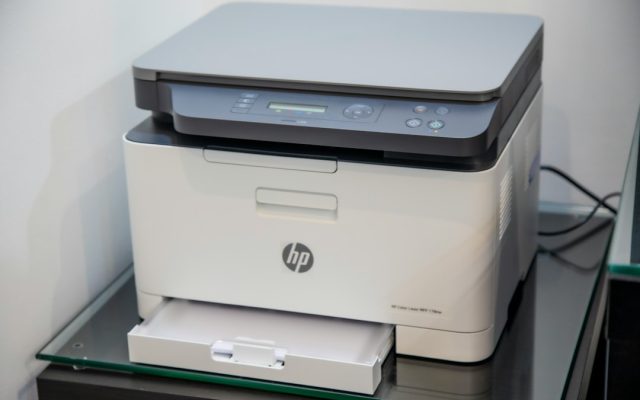
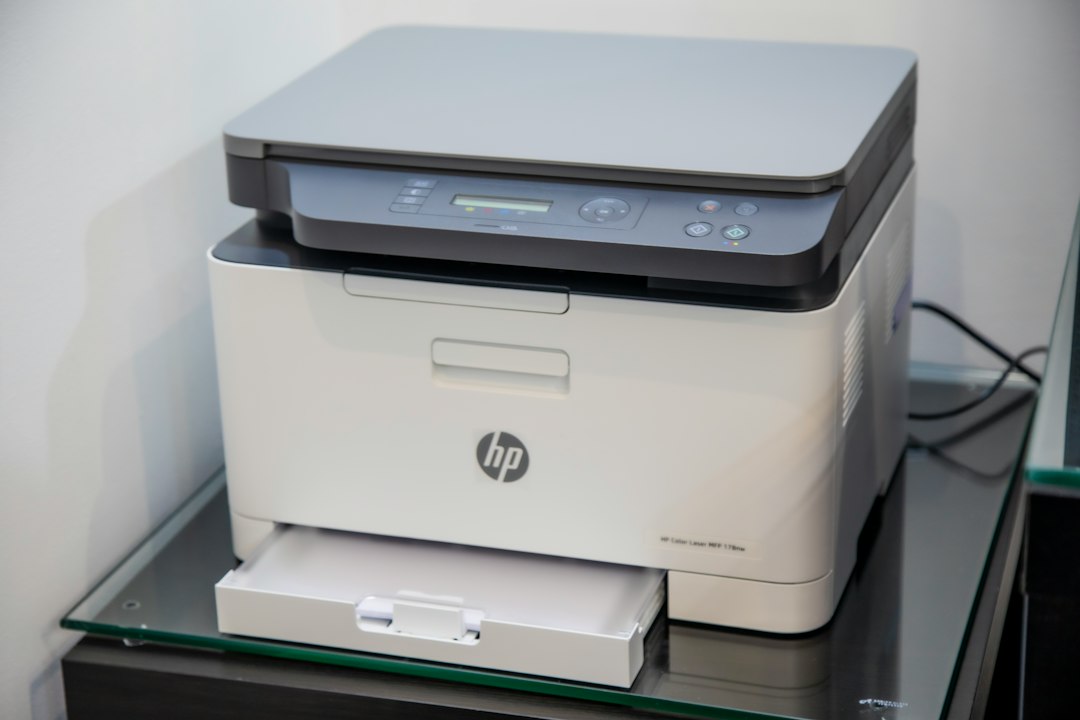
Konica Minolta has introduced the AccurioPress C8100 Series, a new range of mid-production digital presses announced on October 6. The launch brings together artificial intelligence, real-time sensing and automated optimization in an effort to make production printing more consistent and less dependent on repeated manual adjustments. The series is aimed at print businesses that need to balance quality, throughput and predictable operation across a changing mix of jobs.
Why mid-production automation matters
Mid-production print providers often handle a wide variety of work: brochures, booklets, direct mail, business documents, marketing collateral and short-run commercial jobs. Each job can have different paper stocks, image coverage, finishing requirements and color expectations. When operators must repeatedly adjust settings by hand, changeovers can take time and small inconsistencies can accumulate.
Real-time sensing is intended to give a press more information about its operating conditions while a job is running. When combined with automated adjustments, the system can help maintain output consistency and reduce the need for constant intervention. AI-based optimization may also help the machine interpret conditions and recommend or apply settings that support stable production. The practical benefit is not that every job becomes automatic, but that routine correction work may be reduced.
What print providers should evaluate
Businesses considering a new press should look beyond headline speed. They should evaluate the range of media supported, registration accuracy, color stability, duplex performance, finishing compatibility and the time required to switch between jobs. A press that runs quickly but requires lengthy setup for every stock change may not improve total shop productivity.
It is also important to understand how automation interacts with existing prepress and workflow systems. Job tickets, color profiles, imposition, variable-data content and finishing instructions need to move reliably from the front end to the press. A demonstration should therefore include representative customer jobs, not only a short sample chosen to show peak performance.
Planning the installation
Installation planning should cover floor space, electrical supply, ventilation, paper storage and operator access. The production team should map the press into the wider workflow, including how jobs arrive, how proofs are approved, how output is inspected and how finished work leaves the machine. If the press will replace an older device, the business should compare the new process with the current one to identify bottlenecks that may simply move to another stage.
Training remains essential even when automation is a central feature. Operators need to know which adjustments the press can make automatically, which settings require approval and how to respond when a sensor reports an issue. A clear maintenance schedule also protects uptime by ensuring cleaning, calibration and consumable replacement are not postponed until quality visibly declines.
A more data-driven production floor
The AccurioPress C8100 Series reflects a broader direction in commercial printing: equipment is increasingly expected to sense, analyze and optimize its own operation. For print providers, the opportunity is to reduce waste and make output more repeatable. The business case will depend on actual job mix, operator training, service support and the degree to which the new press integrates with the shop’s existing digital workflow.
Before purchasing, print businesses should request a live test using their own files and media. That is the best way to understand whether automation translates into measurable improvements in their particular production environment.
Measure automation against real jobs
Print providers should establish a baseline before installing a new production press. Record current setup time, waste sheets, color correction frequency, average job length and the amount of operator attention required. Then run comparable jobs on the new equipment and measure the same factors. This helps determine whether automated sensing and optimization are producing a measurable improvement rather than simply adding new controls to the pressroom.
Staff should also understand which adjustments are made automatically and which still require operator approval. A clear escalation process prevents an operator from repeatedly overriding a setting without understanding the cause. Consistent training, documented media profiles and scheduled maintenance are essential to making automation reliable across different shifts.
Reading time: 4–6 minutes.